‘Good Help’ review: When compassion gets complicated
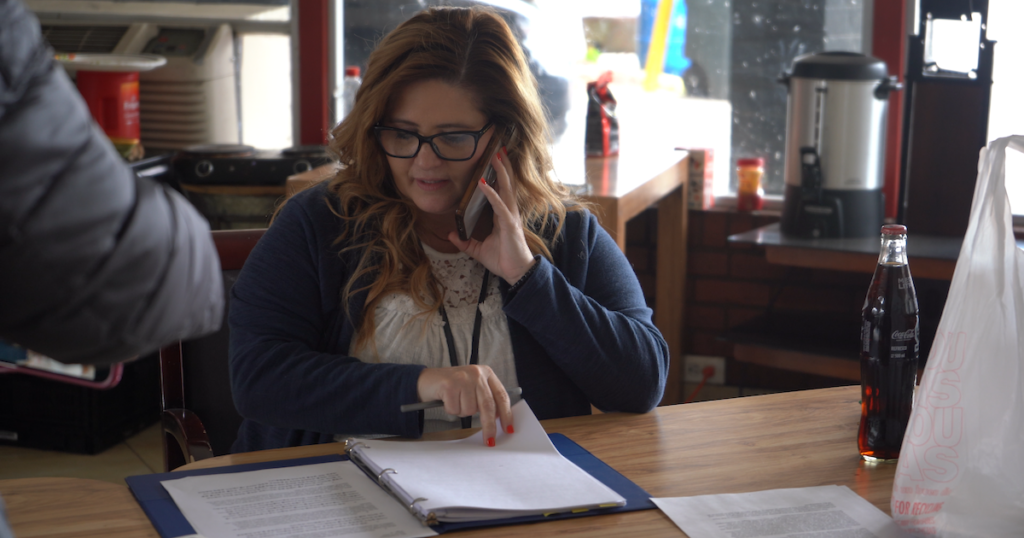
"Good Help" captures Denver's migrant relief efforts with wit and empathy.
No good deed goes unpunished, or so it seems in “Good Help,” where every bit of progress feels like an invitation for something else to go wrong.
A little over midway through the documentary, Denver filmmaker Rebekah Henderson visits a legal clinic helping Venezuelan migrants obtain work permits. After months of watching volunteers scramble to keep families fed and sheltered, she finally sees government agencies working together to make their lives a little easier. She admits feeling “dare I say, hopeful.”
The film barely gives her a moment to enjoy it. Suddenly, viral allegations about Venezuelan gangs in Aurora are dominating the news, threatening to drown out the stories of ordinary people trying to build better lives in Colorado.
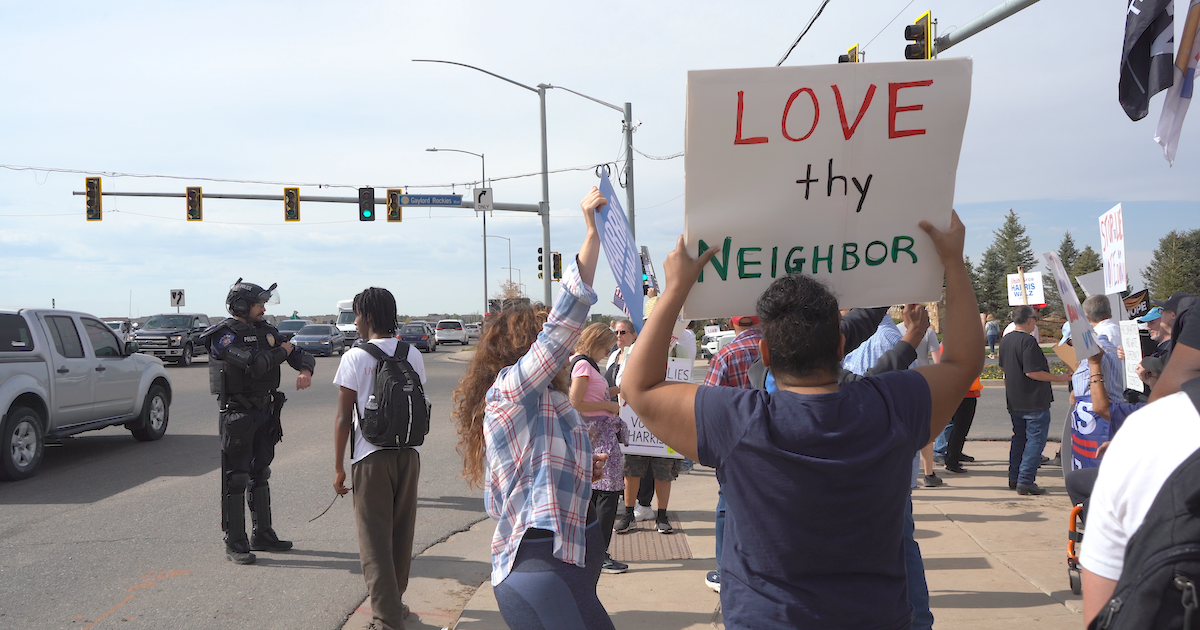
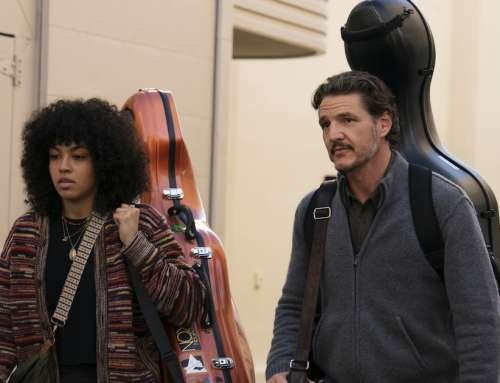
A still from the documentary “Good Help.”
That frustrating cycle of hope and setbacks drives Henderson and Lilah Park’s entertaining, informative 80-minute documentary about Denver residents, particularly mothers, who stepped up as tens of thousands of migrants arrived in 2023 and 2024. The film succeeds on its own, deliberately local terms, revealing both the possibilities and limitations of community-driven compassion.
Henderson initially visits the Western Motor Inn to shoot a fundraising video. Instead, she discovers a makeshift shelter kept afloat by volunteers, many of them mothers, scrambling to secure food, heaters and housing. Yong, the motel’s owner, is trying to sell the property while families face another possible displacement. Nobody emerges from this knot of competing pressures looking entirely unreasonable, which makes it more interesting than a straightforward celebration of volunteerism.
Good intentions, difficult questions
Henderson narrates and appears onscreen, bringing a candid, sometimes funny perspective to the chaos. Park, who also shot footage and handled the editing, weaves their material with news clips that place these individual acts of kindness within a citywide crisis.
The movie opens with a family discussing gratitude during Shabbat, then cuts to Denver Mayor Mike Johnston answering questions from members of Congress about the city’s response to migrants. Later, upbeat music about the American dream accompanies images of tents. The contrast is unsubtle but effective. Especially haunting is Alexandria’s account of crossing the jungle from Colombia, where she saw people physically unable to continue.
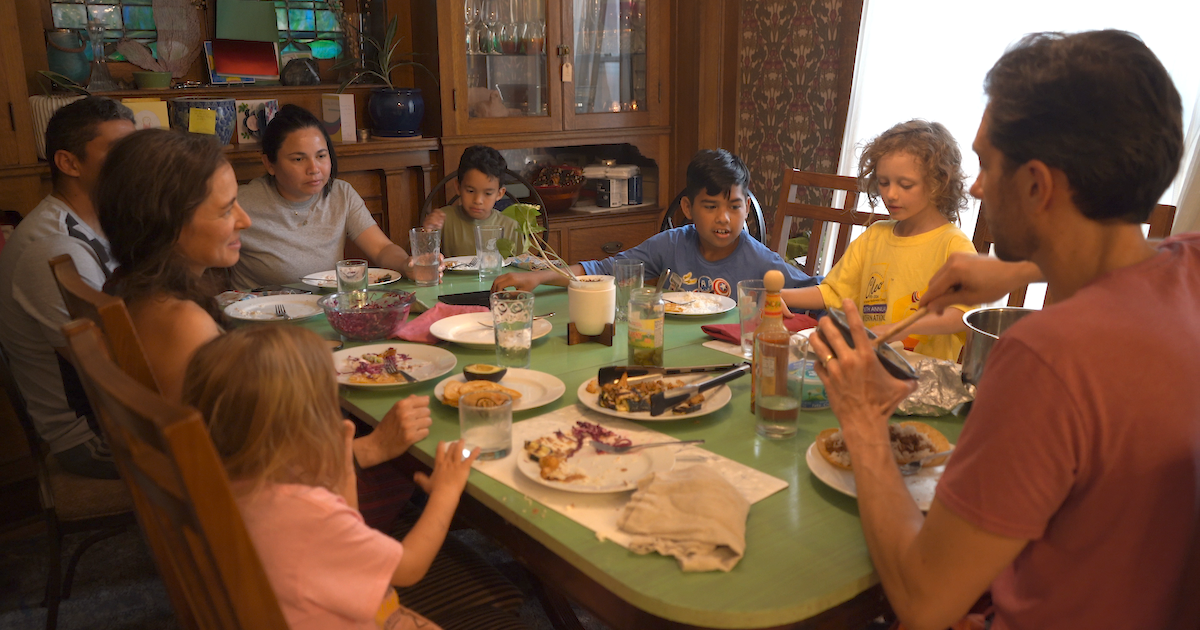
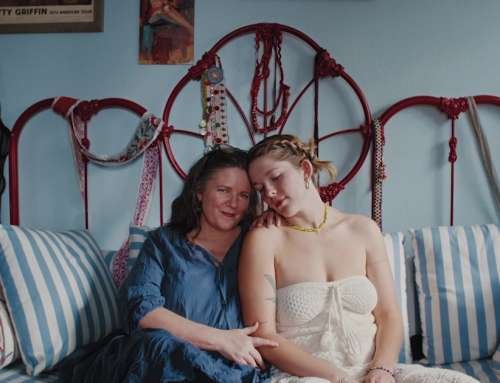
A still from “Good Help.”
Yet the film spends far more time with the people helping migrants than with migrants themselves. That’s a legitimate choice, although it limits how deeply we understand the families whose lives are being upended. The documentary acknowledges uncomfortable questions about privilege, unequal power and the sustainability of volunteer-led relief but doesn’t always examine them as thoroughly as it could.
As the story moves through Denver budget cuts, the Aurora controversy and the 2024 election, Henderson’s hard-won optimism gradually gives way to cynicism. By election night, the contrast between her outlook and that of the volunteers she admires becomes especially revealing.
When Henderson asks volunteer Dina whether most people are good, Dina remains optimistic. “My experience of humanity has been really great,” she says. Henderson, watching election returns, cannot bring herself to agree: “Are most people good and kind and care about each other? I don’t think so.”
For a while, the film’s immersion in 2023 and 2024 risks making it feel like a time capsule. Its closing updates about immigration raids and the loss of protections for Venezuelans bring the story into the present, but its lasting relevance comes from Dina’s advice: “We can do what we can and do it with a huge amount of love and compassion for them and for yourself.”
It’s a deceptively simple philosophy, especially as helping immigrants becomes increasingly risky. “Good Help” acknowledges that even well-intentioned efforts can create problems of their own and that individual kindness can’t overcome systemic failures. You might not change the world by helping someone, but you could make a world of difference in their life.