
DFF49 will showcase 19 Colorado-connected films, restore its True Grit Award and offer free screenings to 1,600 area students.
The Denver Film Festival is putting Colorado filmmakers front and center this fall.
Denver Film announced Wednesday, Sept. 16, the 19 films selected for the Colorado Spotlight section of its 49th annual festival, running Oct. 22 through Nov. 1 at venues across the Denver metro area.
This year’s lineup includes eight feature films and 11 shorts tied to Colorado through their filmmakers, subjects or production. The festival is also bringing back its True Grit Award for the best Colorado-produced feature and launching a new program that will give approximately 1,600 Denver-area high school students free access to festival screenings.
“The feature films in this year’s Colorado Spotlight are an especially strong reflection of the ambition and range of filmmaking connected to our state,” Denver Film Festival Artistic Director Matthew Campbell said in a statement.
That range stretches from Mount Kilimanjaro to Denver neighborhoods.
One of the highest-profile documentaries is The Ascent, from directors Edward Drake, Scott Veltri and Francis Cronin. The SXSW Audience Award winner follows Colorado Springs climber Mandy Horvath, a bilateral above-knee amputee, as she attempts to crawl to the summit of Kilimanjaro using her hands.
Closer to home, Denver filmmakers Rebekah Henderson and Lilah Park will present the world premiere of Good Help. The documentary examines the grassroots network of residents who supplied food, transportation, clothing and temporary housing after nearly 40,000 Venezuelan migrants arrived in Denver during 2023 and 2024.
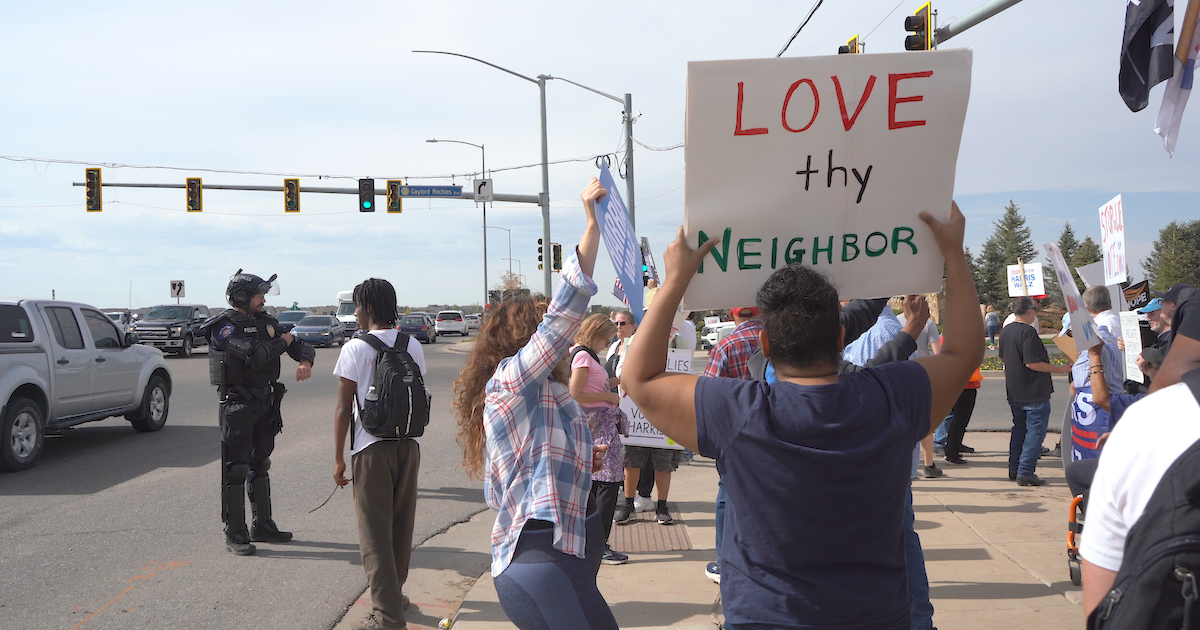
Good Help, directed by Denver-based filmmakers Rebekah Henderson and Lilah Par.
Other documentaries approach Colorado through art, science and the environment. Denver-based Annie Eastman’s Art Not As Usual chronicles the Artnauts, a collective founded by University of Colorado Boulder professor George Rivera that has mounted exhibitions in places ranging from Rwanda’s Kigali Genocide Memorial to the Korean Demilitarized Zone.
Boulder filmmaker and CU professor Erin Espelie’s Ideas of Order, meanwhile, grew from a six-year residency inside a Colorado biochemistry laboratory and combines 35mm cellular imagery with reflections on cancer and mortality.
The River, directed by Colorado filmmaker Mara Gasbarro Tasker, follows families confronting the mounting pressures facing the Colorado River. Watch You Rise, from Boulder filmmaker Isabella Grace Cohn, examines sexual harm, consent and healing through Cohn’s own experience and conversations with her mother and young people around the country.
Colorado also gets the road-movie treatment in the Spotlight’s two narrative features.
Denver filmmaker Sheryl Glubok’s Welcome to the Fishbowl stars Natalie Gold of Succession as a Denver mother and aspiring writer tasked with driving a difficult bestselling author across Colorado to Telluride. Ramzi Bashour’s Hot Water follows a Lebanese-American professor taking her troubled teenage son on a cross-country trip to his father.
Both productions received support through Colorado’s film incentive program.
The festival’s 11 Colorado-connected shorts cover equally wide ground. Subjects include Rocky Ford’s high school wrestling program in The Meloneers, Indigenous land dispossession in People of the Sacred Land and a World War II-era violin connecting two families in Family Strings.
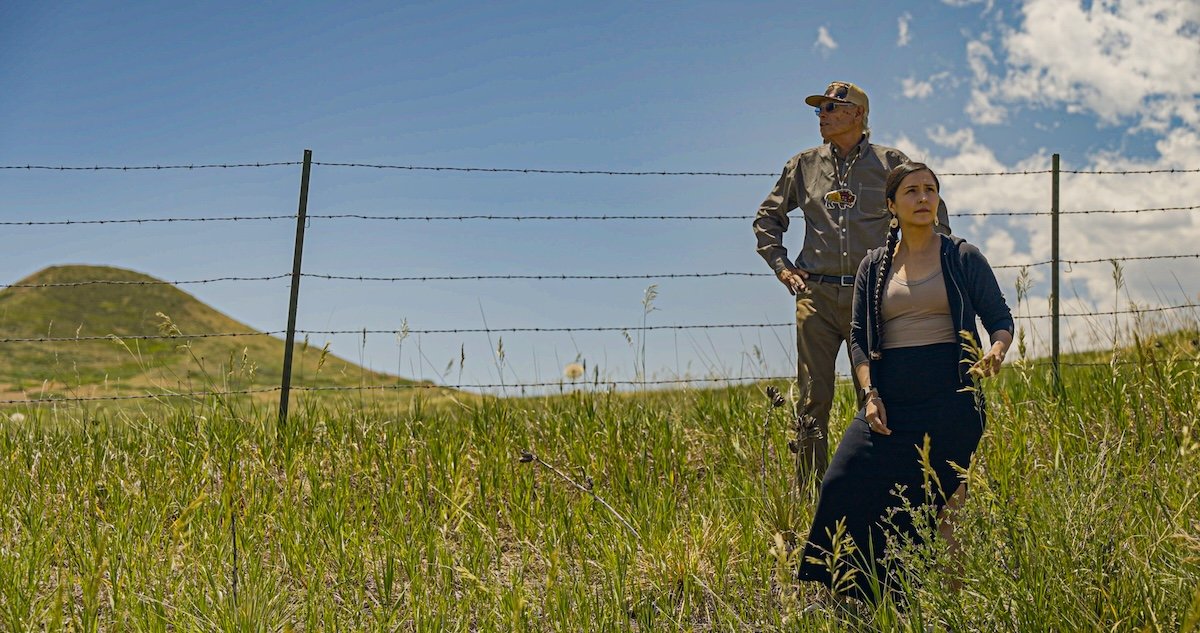
People of the Sacred Land follows Richard Williams (Oglala Lakota, Northern Cheyenne) as he explores the Truth, Restoration, and Education Commission of Colorado’s findings.
The narrative shorts get considerably stranger. 28 Kegs Later imagines a zombie apocalypse in which drunkenness prevents bites, while Tapioca Esophagus follows two women dragging their dead friend through a drug-fueled crime spree after she chokes on a boba pearl. Other films explore grief, incarceration, family and apocalyptic visions.
“What I love about this group of films is how different they are from one another,” Programming Manager Ambriehl Turrentine said, pointing to the mix of returning festival filmmakers and newcomers.
The True Grit Award will return as a juried competition for Colorado-produced features. Founded in 2014, the award comes with a $2,500 prize sponsored by the Colorado Office of Film, Television & Media.
Denver Film is also partnering with Amazon on a new Student Access Program. About 1,600 high school students from across the metro area will be invited to four free festival screenings at the Denver Museum of Nature & Science. Those films will be announced with the complete festival program on Oct. 3.
The 49th Denver Film Festival runs Oct. 22-Nov. 1 at the Sie FilmCenter, Ellie Caulkins Opera House, Denver Botanic Gardens, Denver Museum of Nature & Science and MCA Denver at the Holiday Theater. Individual tickets go on sale to Denver Film members Oct. 4 and to the general public at 10 a.m. Oct. 5. Festival passes and ticket packs are already available at denverfilm.org.