‘Cheyenne’ review: Eight seconds of courage and control
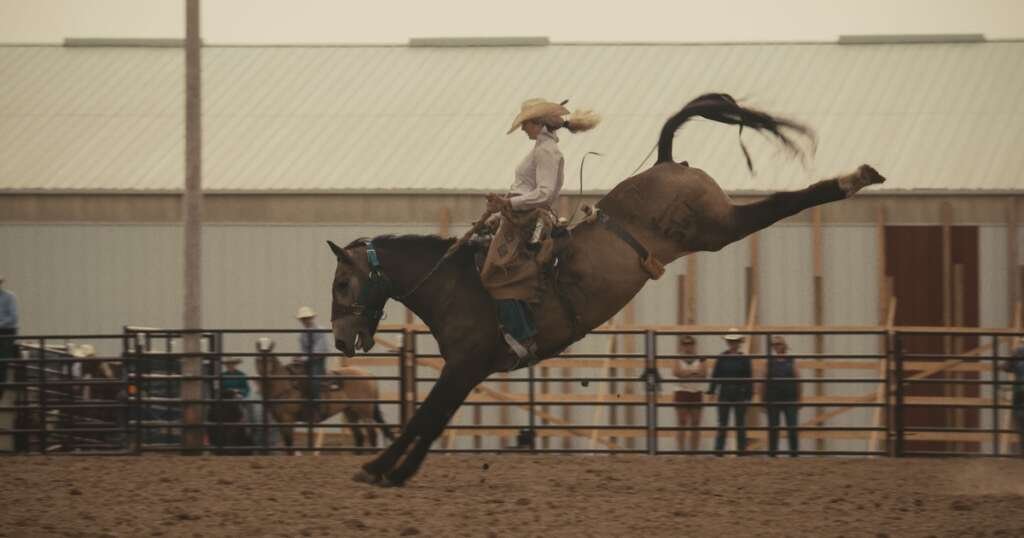
Taimi Arvidson's thrilling documentary follows four cowgirls fighting for their place in the rodeo arena.cheyenne-documentary-review
During a training camp sequence in a horse pen in Texas, early in the documentary “Cheyenne,” we watch a group of cowgirls train for a chance to compete in the first women’s ranch bronc riding world championship at Cheyenne Frontier Days in nearly a century. Despite the intensity of the sport, the women are cracking jokes and laughing.
That doesn’t last long.
One after another we watch these cowgirls get violently thrown off bucking broncs and plummet to the ground before, often, being stomped. Hard. By the time their coach delivers a searing come to Jesus talk, the stakes of the sport have already been made painfully clear. Make one wrong move during your eight-second ride, and you might break a limb or two if you’re lucky — or lose your life if not.
In Taimi Arvidson’s propulsive documentary, screened twice during the 2026 Denver Film Festival, you feel every heart-pounding second of four women’s journeys to compete in a sport that’s shut them out for generations. Women’s bronc riding largely disappeared from major rodeos following a series of deadly accidents, including the 1929 death of champion Bonnie McCarroll. Throughout Arvidson’s film, we see Bee, Lake, Brooke, Ally and other ferocious cowgirls competing for a spot in the first Women’s Ranch Bronc Championships world finals at Cheyenne Frontier Days (aka “The Daddy of ‘Em All”) in 2022.
The documentary travels across the Western rodeo circuit as these women prepare their minds and bodies to ensure they stay on their horses for all eight seconds and get the most points possible along the way. In addition to fighting to be their best in the sport, they are also fighting to prove that they belong in the arena at all. Daryl, who trains the women, muses, “A guy gets hurt and they hope he’s okay. A girl gets hurt and they’re like, ‘She shouldn’t have been out there.’” That statement aptly articulates the double standards these women face and the pressure they feel to prove themselves in the sport and beyond.
As if watching the grueling sport wasn’t engaging enough on its own, the intensity of these women’s lives off the broncs makes for a winning combination. All of them step into the saddle for a different reason, but they each use riding as an outlet for coping with trauma that they’ve experienced, and Arvidson captures their experiences in a spectacularly moving fashion.
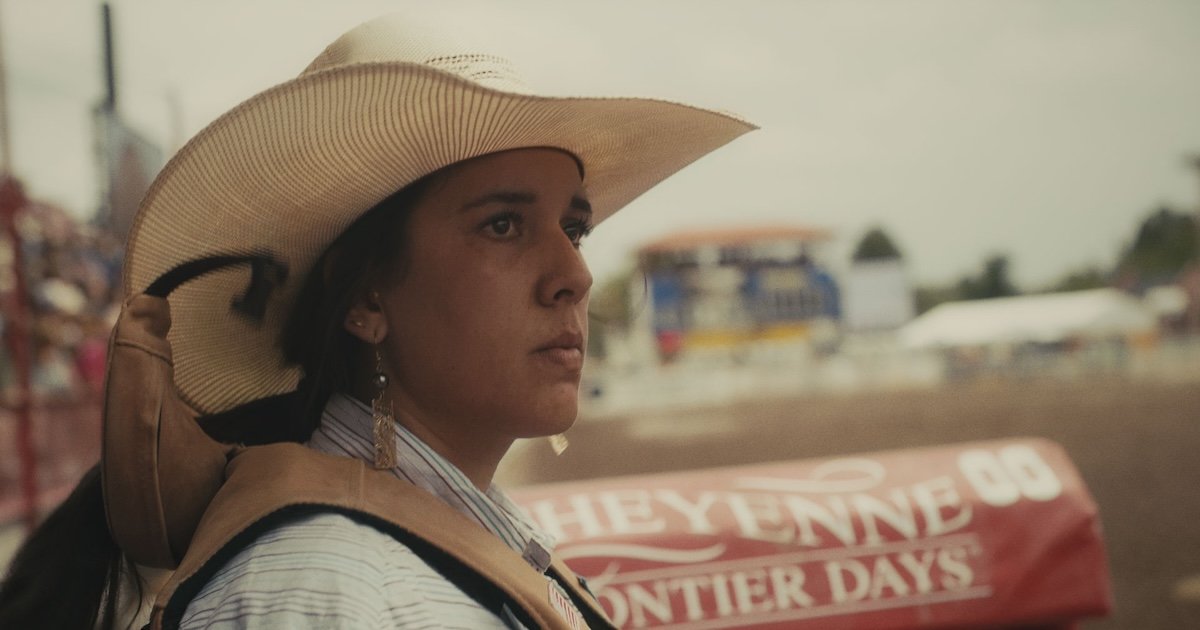
A still from the documentary “Cheyenne.”
Bee is a single mother who wants to make her son proud after getting out of an abusive relationship in which she never felt like enough. Lake is avoiding dealing with the recent loss of her mother by throwing herself entirely into riding. Brooke, a comparatively wide-eyed newcomer to the sport, and her family are quickly forced to confront the painful reality of what’s at stake every time you ride a bronc.
Ally, who has a history of sexual violence, describes being sexually assaulted at gunpoint during the season, temporarily stepping away from the sport and then coming back more determined than ever. One of the film’s most emotionally devastating moments comes when Ally describes the arena as a place where consent is sacred. “Nothing happens till you nod your head,” she explains.
After hearing what Ally’s survived, it’s heartbreaking that climbing onto a bucking horse, of all things, gives her a sense of control over her own body that she’s too often been denied elsewhere. It’s a remarkably powerful way of understanding why she keeps getting back in the saddle, even when doing so might kill her.
Cinematographer Nick Midwig works with Arvidson to capture all of this using a compelling mix of personal interviews, striking images of the West, intimate access to their training sessions and the many rides along the way to Cheyenne. Every time a rider hits the ground, Midwig makes you feel the fall in extraordinarily uncomfortable detail. I found myself wincing at every crash, terrified of what might happen next, yet rooting for each woman to get back on her horse.
The documentary raises fascinating questions about what this sport costs — and whether or not it should exist at all — without diminishing the strength of these women and what they had to overcome to get into the saddle. That tension is what makes “Cheyenne” so gripping and, ultimately, so moving. Whether or not you like sports documentaries, this is a powerful portrayal of women who push through the pain of their pasts for eight seconds of glory.