‘Good Help’ documentary premieres at Denver Film Festival
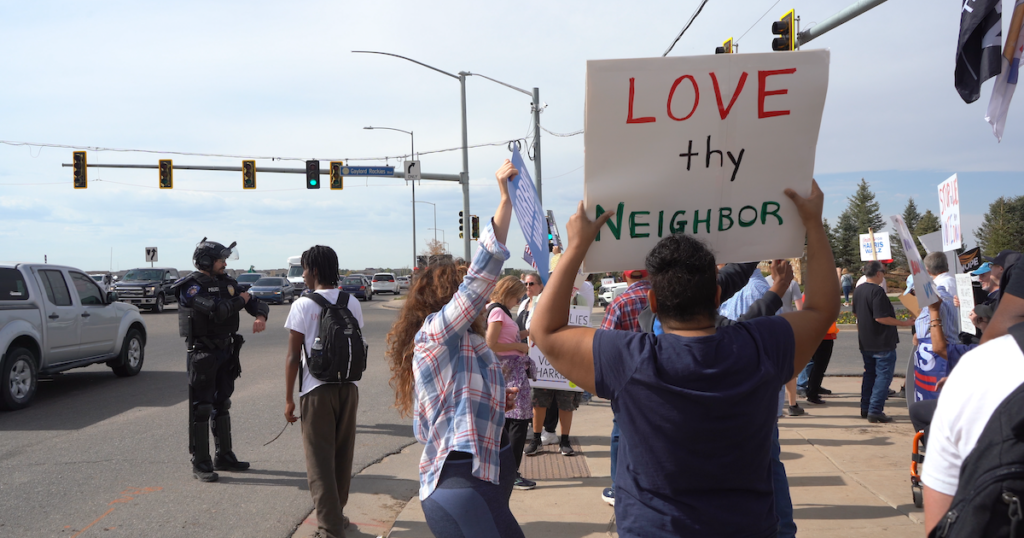
Made by two Denver mothers with no budget, "Good Help" examines the messy realities of helping migrants during a humanitarian crisis.
When filmmaker Rebekah Henderson arrived at the Western Motor Inn in February 2024, she expected to make a short fundraising video about Denver residents helping newly arrived Venezuelan migrants survive the winter.
Instead, she found a story considerably more complicated than the feel-good accounts circulating on social media.
“There was tension there,” Henderson said. “There was something going on that I didn’t know about, or I didn’t understand.”
That discovery became “Good Help,” an 80-minute documentary co-directed by Henderson and Lilah Park that makes its world premiere Oct. 25 at the 49th Denver Film Festival. The film examines the extraordinary efforts of ordinary Denver residents, who stepped up as nearly 40,000 migrants arrived between 2023 and 2024.
“The film is a reflection of a two-year-long conversation Rebekah and I were having about all these things that were happening around privilege, power, empathy and rising fascism,” Park said. “The film was a way for us to help process all those things we were living through at the same time.”
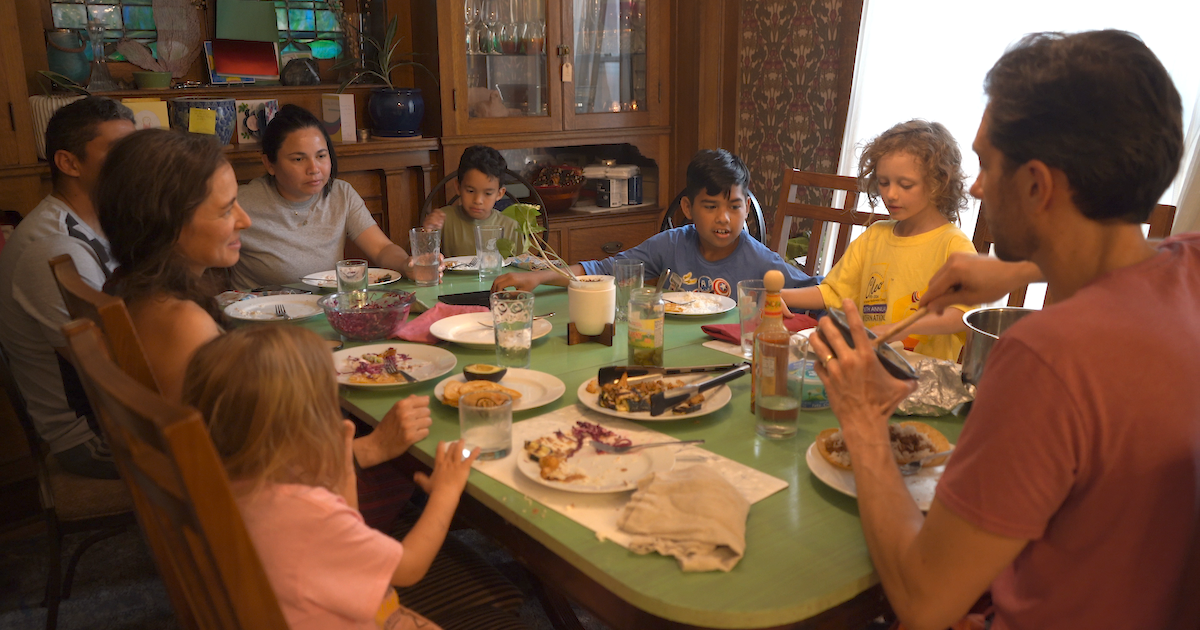
A still from “Good Help.”
A complicated act of kindness
The story centers initially on the Western Motor Inn, a deteriorating motel off Interstate 70 that unexpectedly became a shelter for migrant families despite facing health code violations and an impending property sale. Henderson was initially captivated by the women organizing those efforts.
“I was just impressed by what the women were doing in general, and that they were spending all this time volunteering,” she said.
Park saw another layer to the story when Henderson shared her footage.
“What struck me was just how much cultural misinterpretation and miscommunication was going on,” she said. “It just felt like everyone’s kind of talking and missing each other’s meaning, and I am interested in that on a sociological level.”
That curiosity expanded into larger questions about Denver’s response to the migrant crisis, from the city’s strained budget and efforts to secure work permits to the national political backlash that culminated in the 2024 presidential election. Park was particularly interested in the disconnect between the political rhetoric and what was actually happening in Denver’s neighborhoods.
“Watching the crisis unfold on the news, and then seeing this footage of what’s happening on the ground was very fascinating to me,” she said. “I wanted to explore the contrast between those two perspectives.”
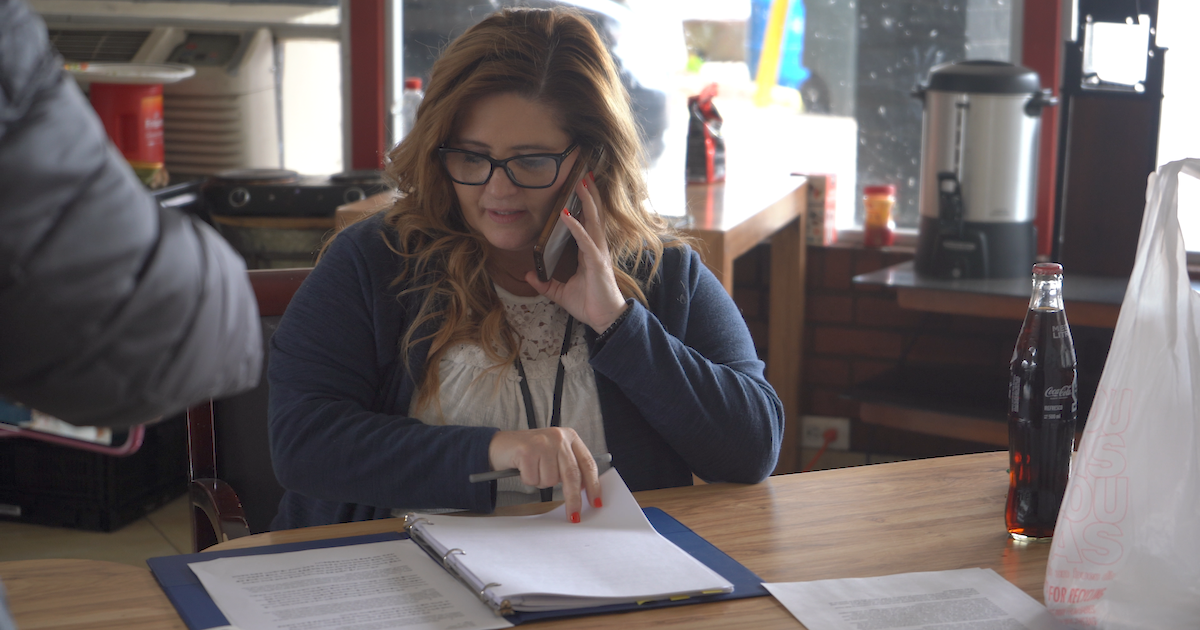
A still from “Good Help.”
Two filmmakers, one evolving story
Henderson and Park previously collaborated on “Running With My Girls,” a documentary about women pursuing political change in Denver that screened at the 2021 Denver Film Festival. The pair developed a largely remote workflow while editing that film during the COVID-19 pandemic, an approach they continued on “Good Help” while also handling the filming themselves.
Frequently shooting on phones, the filmmakers spent nothing on production, with Park editing footage as they went. They eventually crowdfunded $10,000 for postproduction expenses.
“We’re really just community members with filmmaking backgrounds who decided to do this in our spare time,” Park said.
Henderson saw making the documentary as another way to contribute to the community’s response.
“Working on this for us was doing something,” she said. “And this was something that I could do.”
Although “Good Help” addresses increasingly hostile immigration policies, Park hopes audiences recognize the compassion that motivated the project.
“I felt like I was creating a love letter to our city for how it had shown up for people,” she said.
Following the festival, the filmmakers hope to organize community screenings throughout Denver, Aurora and surrounding communities, partnering with immigrant rights organizations to connect audiences with opportunities to volunteer or contribute. There are currently no plans for distribution, but both are open to a wider release.
“If Netflix said, ‘Hello, we would love your film,’ I mean, we’re not gonna probably say no to that,” Henderson said. “But we don’t really anticipate that kind of distribution.”
Their immediate priority is creating opportunities for audiences to engage with the film and take action.
“To me, a film like this is meant to be watched and then discussed afterwards,” Henderson said. “We want people to enjoy a piece of art that we took the time to make, and then also find an actionable item to do right in the lobby.”